
Experimental strategies to monitor cellular activation, characterize mechanisms of action and validate molecular targets in in vitro cell assays.
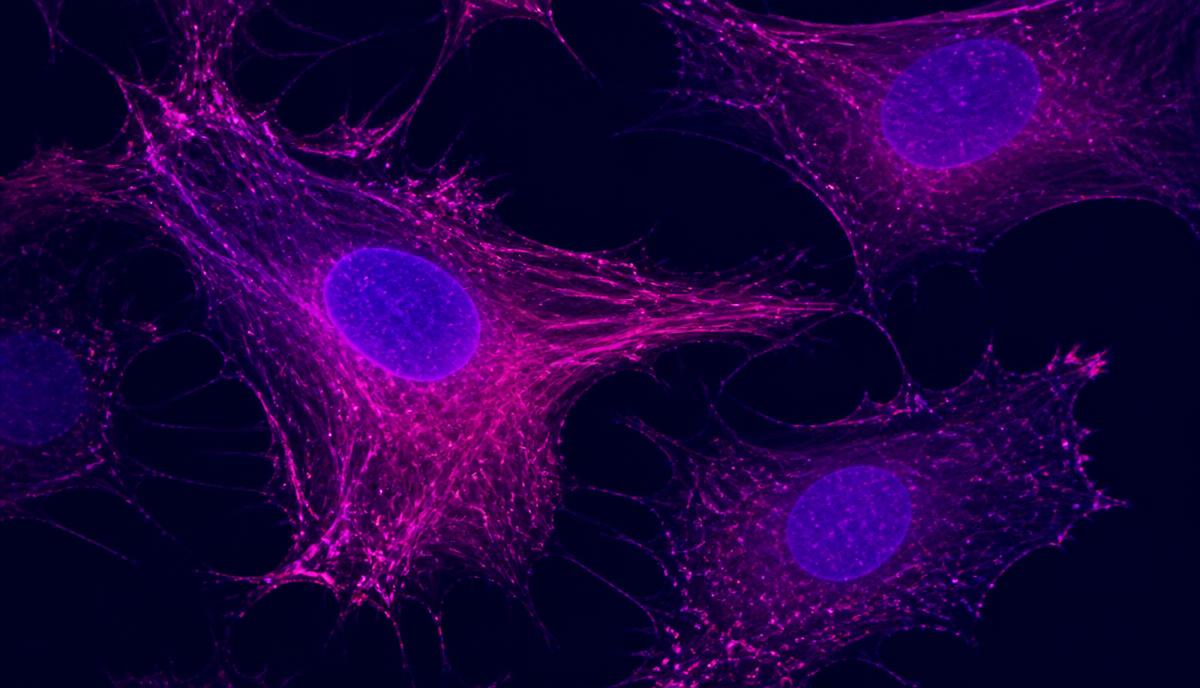
Cell signaling pathways are one of the main mechanisms by which cells detect and respond to environmental stimuli. These signal transduction systems regulate fundamental processes of cell biology, including proliferation, differentiation, metabolism, survival and immune response. In physiological and pathological contexts, alterations in these pathways can lead to cellular dysfunctions associated with several diseases, such as cancer, chronic inflammation and metabolic disorders.
In biomedical research and biotechnology, understanding how these intracellular signaling pathways are activated or modulated has become essential to investigate the mechanism of action (MoA) of bioactive molecules and to validate new molecular targets. For this reason, in vitro cell assays have become a central approach to monitor cellular activation events and characterize molecular responses induced by experimental compounds.
Cell models allow the dynamics of signaling cascades to be studied in controlled environments, enabling the analysis of specific molecular events such as receptor activation, protein phosphorylation, transcription factor activation and changes in gene expression. With advances in molecular detection technologies, it became possible to analyze these responses with higher resolution and at different experimental scales.
In this article, we discuss experimental strategies to analyze cell signaling pathways in in vitro assays, covering widely used molecular biology methodologies, applications in preclinical research and their relevance for mechanistic characterization studies and bioactive development.
What cell signaling pathways are and what they do
Cell signaling pathways are complex networks of molecular interactions that allow cells to process information coming from the external environment or from internal signals. These networks integrate different proteins and regulatory molecules responsible for transmitting signals from receptors to the mechanisms that control the final cellular response.
Signal transduction usually begins with the interaction between a ligand, such as a hormone, cytokine or bioactive molecule, and a specific receptor located in the plasma membrane or inside the cell. This interaction triggers conformational changes in the receptor that initiate a cascade of molecular events.
Components frequently involved in these cascades include membrane receptors (GPCRs, receptor tyrosine kinases, cytokine receptors), adaptor proteins, kinases and phosphatases, intracellular second messengers and transcription factors.
Signal transmission along these cascades results in the activation or suppression of specific cellular processes. In this way, the cell converts molecular stimuli into coordinated physiological responses. Analyzing these pathways is particularly relevant in cellular activation studies, as it identifies which intracellular mechanisms are modulated by experimental compounds during cell assays.
Main signaling pathways analyzed in cell assays
Several cell signaling pathways play central roles in regulating cell physiology. Some of them are widely investigated in biomedical research due to their relevance in human disease and in drug discovery strategies. Among the most studied pathways in in vitro cell assays are:
MAPK/ERK pathway
The MAPK/ERK pathway mainly regulates processes associated with cell proliferation and differentiation. It is frequently activated by receptor tyrosine kinases and involves a sequential cascade of phosphorylations between protein kinases. Alterations in this pathway are associated with several cancer types, making it an important therapeutic target.
PI3K/AKT pathway
The PI3K/AKT pathway controls processes related to cell survival, growth and metabolism. Activation of this pathway can inhibit apoptosis mechanisms and promote cell growth, and it is frequently investigated in oncology and pharmacology studies.
JAK/STAT pathway
The JAK/STAT pathway plays an important role in the response to cytokines and growth factors. After receptor activation, STAT family proteins are phosphorylated and translocate to the nucleus, where they regulate the expression of specific genes.
NF-κB pathway
Activation of the NF-κB pathway is associated with inflammatory and immune responses. It regulates the expression of genes involved in inflammation, cell survival and stress response.
These pathways represent only a fraction of the signal transduction networks present in cells, but they are frequently used as experimental models to study cellular activation and the mechanistic characterization of bioactive compounds.
Experimental methods for signaling pathway analysis
Analyzing cell signaling pathways in in vitro cell models can be performed through different experimental methodologies. The choice of technique depends on the type of molecular event under investigation, the required sensitivity and the experimental scale.
In general, the methods used can be divided into three main categories: detection of protein modifications, gene expression analysis and monitoring of functional pathway activity.
Detection of phosphorylated proteins
Protein phosphorylation is one of the molecular events most used as a marker of pathway activation. When a signaling pathway is activated, protein kinases transfer phosphate groups to specific proteins, changing their functional activity. Detecting these phosphorylated proteins allows inferring which pathways are active in a given experimental context.
The most used methods include Western blot with phospho-specific antibodies, phosphoprotein ELISA, intracellular flow cytometry, immunofluorescence and mass spectrometry-based phosphoproteomics. These approaches allow the investigation of both specific molecular events and global changes in signaling networks.
Gene reporter-based assays
Gene reporter assays are widely used to monitor signaling pathway activity. These systems use genetic constructs containing regulatory elements that respond to the activation of certain transcription factors.
When the pathway is activated, a detectable reporter protein is expressed, such as luciferase, GFP (green fluorescent protein) or β-galactosidase. This strategy makes it possible to monitor pathways such as NF-κB, Wnt/β-catenin, CREB and STAT.
Gene expression analysis
Changes in gene expression are an important consequence of signaling pathway activation. For this reason, transcriptomic analysis is frequently used to evaluate the cellular response to molecular stimuli.
The most used techniques include RT-qPCR, RNA sequencing (RNA-seq) and gene expression microarrays. These approaches identify genes regulated by given pathways and help to understand the functional consequences of cellular activation.
Cell models used to study signaling
The choice of cell model is a critical factor in interpreting data obtained in signaling assays. Different cellular systems have distinct physiological characteristics, which can influence how certain pathways are activated.
Immortalized cell lines
Cell lines are widely used because of their ease of culture and experimental reproducibility. Common examples include HEK293, HeLa, CHO and A549. These cells are frequently used in initial compound screening and in preliminary mechanistic studies.
Primary cells
Primary cells are isolated directly from tissues and show physiological characteristics closer to the in vivo environment. Although harder to maintain in culture, they provide more relevant models to evaluate specific cellular responses.
Genetically modified cell models
Technologies such as CRISPR-Cas9 make it possible to modify specific genes in cell models to investigate the function of proteins involved in given pathways. These models are frequently used in target validation and mechanistic characterization studies.
Applications of cell signaling analysis in preclinical research
The investigation of cell signaling pathways plays a central role in different stages of preclinical research. These studies help researchers understand how bioactive compounds interact with cellular systems and which molecular effects result from that interaction.
Drug discovery
Signaling assays are widely used in drug discovery to identify compounds capable of modulating cellular pathways relevant to certain diseases.
Molecular target validation
Analyzing the activation or inhibition of specific pathways can provide experimental evidence supporting the relevance of certain molecular targets.
Mechanism of action studies
Investigating changes in intracellular signaling pathways clarifies the mechanism of action (MoA) of bioactive molecules and how these molecules produce their cellular effects.
Evaluation of biotechnological bioactives
Beyond small molecules, these assays are also used to study monoclonal antibodies, recombinant proteins, therapeutic cytokines and cell therapies.
Integrating signaling analysis and phenotypic assays
Although cell signaling analysis provides important information about molecular events, a complete understanding of the cellular response frequently requires integration with phenotypic assays.
Phenotypic assays evaluate broader functional changes, such as cell proliferation, differentiation, migration, cytokine secretion and apoptosis. By integrating molecular and phenotypic data, researchers build a more comprehensive view of the mechanism of action of bioactive compounds.
For example, inhibiting a specific signaling pathway may result in reduced cell proliferation, increased apoptosis or altered cellular metabolism. This integration is especially important in mechanistic characterization studies and in the development of new therapies.
Final considerations
Analyzing cell signaling pathways in in vitro assays is an essential tool to understand the molecular mechanisms that regulate cellular responses to bioactive stimuli. These approaches allow the investigation of everything from early receptor activation events to complex changes in gene expression and cellular behavior.
Through methodologies such as phosphorylated protein detection, gene reporter assays, transcriptomic analysis and genetically modified cell models, researchers can map more precisely the signal transduction networks that control fundamental biological processes.
In the context of preclinical research and drug discovery, the ability to analyze these pathways contributes to identifying new therapeutic targets, clarifying mechanisms of action and optimizing bioactive development strategies.
As experimental technologies continue to evolve, the integration of molecular analysis, cellular screening and systems biology approaches will further expand our understanding of cell signaling and its biomedical applications.
If your research strategy involves investigating cell signaling pathways, mechanistic assays and molecular target validation, these approaches are part of our scientific routine. We develop and execute applied molecular biology studies focused on generating robust data to support R&D decision-making.
References
Schlessinger J. Cell signaling by receptor tyrosine kinases. Cell. https://pubmed.ncbi.nlm.nih.gov/11057895/
Cohen P. The role of protein phosphorylation in human health and disease. https://pubmed.ncbi.nlm.nih.gov/11589691/
Wagner BK. Phenotypic screening in drug discovery. Nature Reviews Drug Discovery. https://pubmed.ncbi.nlm.nih.gov/26593688/
Macarron R. Impact of high-throughput screening in biomedical research. https://pubmed.ncbi.nlm.nih.gov/21358738/
Alberts B. Molecular Biology of the Cell.
Arrowsmith CH. The promise and peril of chemical probes. Nature Chemical Biology. https://pubmed.ncbi.nlm.nih.gov/26196764/
Liu X. Systems biology approaches in drug discovery. https://pubmed.ncbi.nlm.nih.gov/15470465/